
Cara Melindungi Anonimitas Online Anda di Tahun 2026: Panduan Lengkap

True online privacy doesn't just happen by accident. Robust data protection always relies on the right tools, a deep understanding of anti-fraud algorithms, and regular security audits. Professional anonymity tools can completely obscure your digital footprint in a matter of minutes.
Let’s break down how online data protection works, why standard methods no longer cut it, and how to build a highly secure tech stack.
What is a Digital Footprint and How Do Anti-Fraud Systems Analyze It?
A digital footprint is the massive trail of data collected by advertising platforms, security systems, and websites every time you visit them. Today, neural-network-based anti-fraud systems (used by Google, Meta, and major e-commerce platforms) track far more than just your IP address. They build a unique Device Fingerprint consisting of your operating system parameters, browser version, language, screen resolution, and hidden hardware markers (such as Canvas, Client Hints, and WebGL).
Furthermore, advanced anti-fraud algorithms analyze the network layer of your connection, which is often where spoofing attempts are exposed. Security systems specifically look for:
- Passive OS Fingerprinting (TCP/IP): If your anti-detect browser profile mimics Windows, but the network packet level (via TTL and Window Size parameters) reveals Linux server characteristics, your session is instantly flagged.
- Latency Mismatches (Ping vs. Geo): If your proxy claims to be in New York, but the provider's physical server is located in Europe, the unnaturally high ping instantly exposes proxy routing.
- MTU (Maximum Transmission Unit) Anomalies: Altering the standard network packet size (e.g., dropping from 1500 bytes down to 1400) indicates that traffic is being rerouted through a tunnel or VPN.
Without specialized setup, every online action is transparent. To regain control over your data, you must deploy a professional stack combining anti-detect browsers with high-trust proxies.
Why Network Anonymity Matters
When managing online workflows, professionals usually face two dangerous extremes:
- Relying on basic browser settings or standard Incognito mode, which fails to hide your traffic from ISPs or target web servers.
- Using random free tools, which introduces heavy risks of data leaks, credential theft, and distorted analytics due to poor traffic quality.
A balanced, expert approach offers a reliable middle ground:
- You completely mask your true location and network infrastructure parameters.
- You protect financial transactions, credentials, and sensitive business communications from interception.
- You ensure that target websites view you as a regular, organic user. This eliminates constant blocks, verification walls, and CAPTCHAs, ultimately maximizing your automation efficiency.
How to Choose the Right Tools for Specific Tasks
While the core principles of protection remain the same, different tasks require completely different infrastructure setups. Proxies are the backbone of this defense because they operate precisely at the application, script, or browser profile level. To avoid burning budgets on blind testing, it is crucial to map out proxy types to specific use cases:
1. Multi-Accounting and Registrations (Google, Social Media)
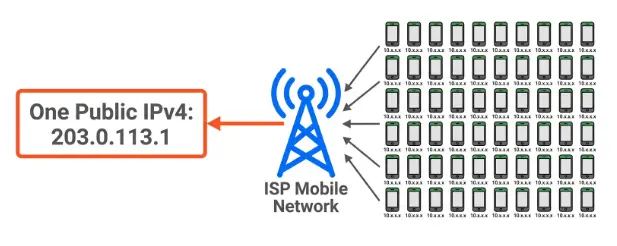
For mass account creation, Mobile Proxies are essential. Their IP addresses are shared simultaneously by thousands of real cellular network users. Anti-fraud systems cannot easily block a mobile IP without cutting off thousands of innocent consumers. Because of this high trust score, mobile IPs significantly reduce the strict phone-verification triggers encountered during signup.
2. Profile Management and Account Warming
Keeping a large network of profiles permanently on mobile data is not cost-effective. For long-term management, switch to sticky residential proxies. They mimic an ordinary home Wi-Fi connection. The goal here is to select residential IP providers that deliver high reputation scores and clean Autonomous System Numbers (ASNs) belonging to actual consumer Internet Service Providers (ISPs), rather than cloud data centers (like AWS or DigitalOcean).
3. Web Scraping and Data Extraction
Extracting large datasets requires automated IP rotation. For these automated scraping workflows, look for massive IP pools that offer high speeds and low Fraud-Scores to ensure continuous data collection without hitting persistent CAPTCHA walls.
Before purchasing any service, always analyze technical metrics like speed, uptime, pool purity, and network consistency. To navigate this overcrowded market and review independent performance tests, speed caps, and anonymity ratings of popular providers, you can use specialized aggregator platforms like ToProxyLab.
Building a Bulletproof Anonymity Workflow
A step-by-step privacy setup follows this logical path:
- Define Your Goal: For basic web surfing, simple encryption is enough. For complex tasks (managing multiple profiles, marketing automation, data scraping), you need a tightly integrated setup of an anti-detect browser and proxies.
- Synchronize System Parameters: Always ensure that your browser profile's language, time zone, and geolocation match the exact GEO of your proxy server. Avoid sudden geographic jumps (Geo-Hops).
- Analyze Real Pool Performance: Compare IP purity, connection stability, and pricing among top-tier market providers. Focus on established brands that prioritize pool health to maintain their reputation.
- Refine Your Targeting: Pick a provider with precise coverage down to the specific country, region, city, or mobile carrier you require.
Conclusion
The key to data protection is approaching it methodically and tailoring technologies to your specific operations. Understanding how network filters and hidden anti-fraud triggers work allows you to secure infrastructure setups that guarantee high account passing rates, smooth automation, and uncompromised privacy in 2026.